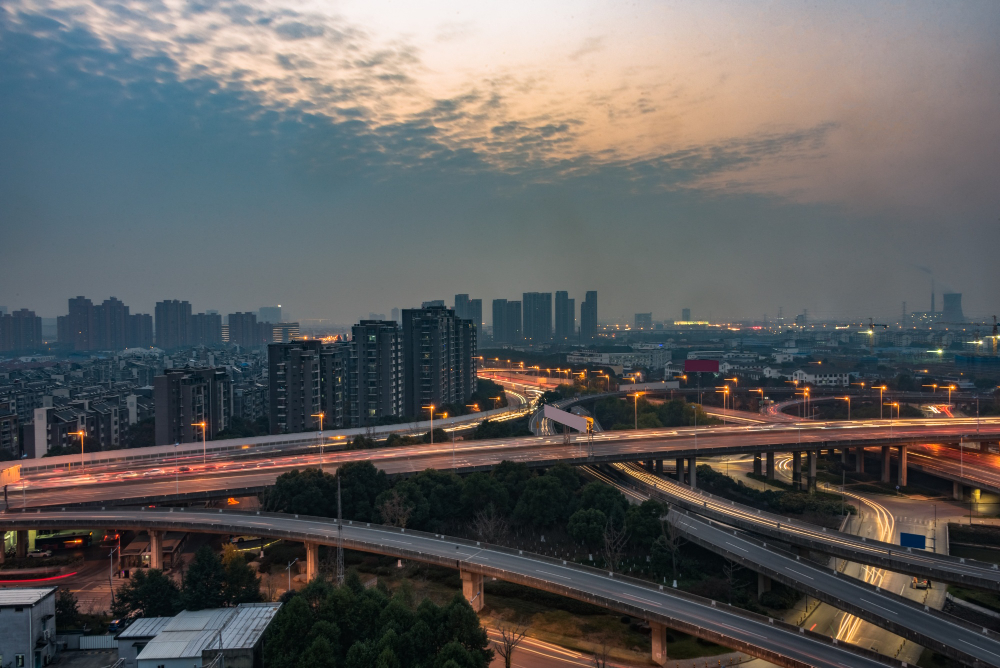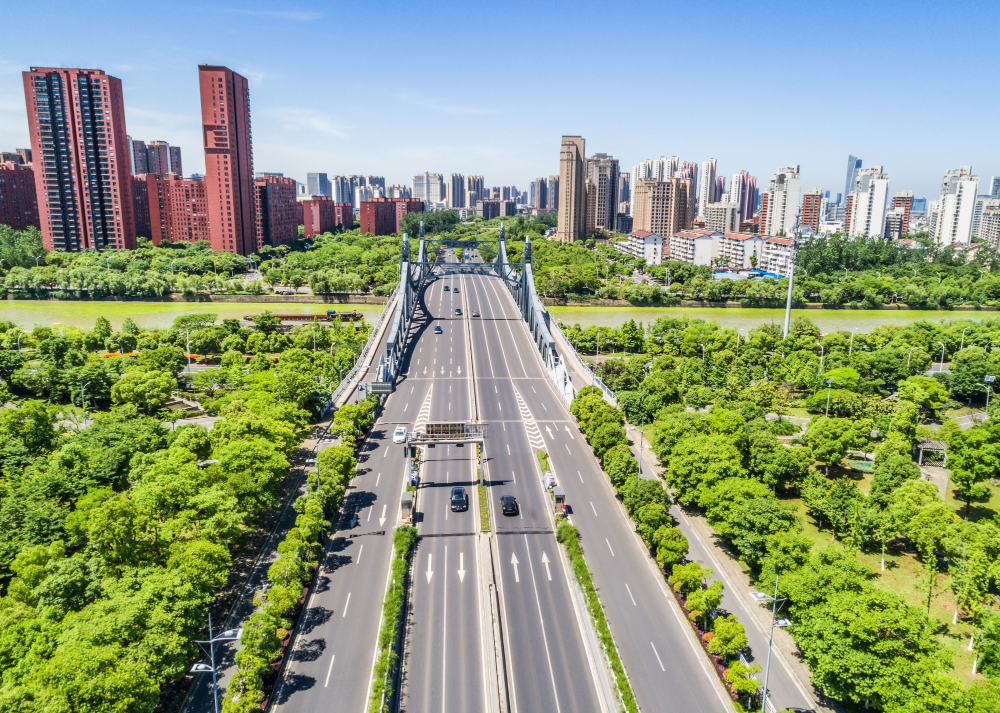
What Are the Different Types of Real Estate Property in India?

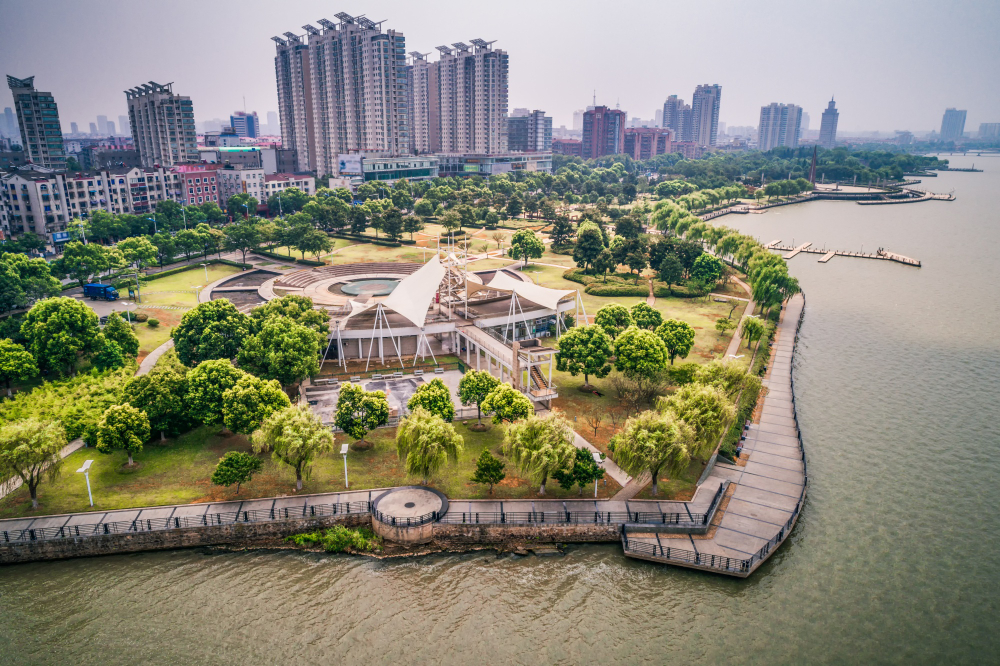
India’s real estate sector has come a long way in the last two decades or so, to say the least. The previously unorganised segment of the economy has evolved into a mature industry with a wide array of options in terms of properties. The real estate market in India has emerged as a major economic activity, much like in other developed nations, and if you are a newbie home buyer or an old-timer in the industry, being well aware of the different property types in India will only help you to make better decisions.
India has a wide range of real estate properties available for its diverse needs, budgets and the associated lifestyle choices of all its customers. Be it a lavish penthouse in an upmarket residential area of a metro city or even a commercial property in the business districts of the country, the opportunities are many and the industry is consistently diversifying to create newer avenues and choices. Let’s take a look at the major property types available in India today.
Understanding the Real Estate Landscape in India
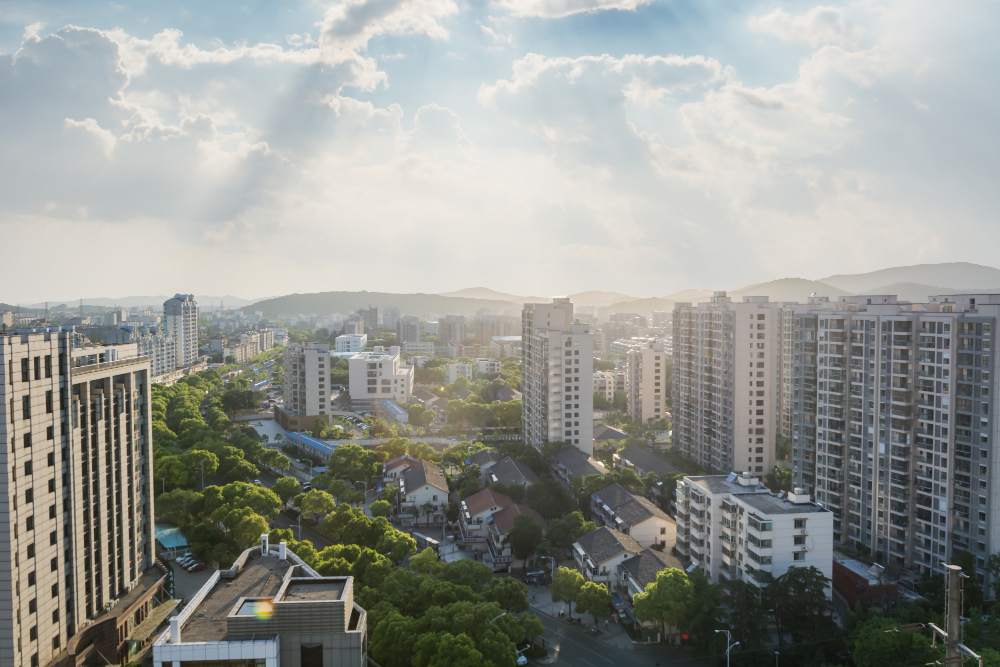
Indian real estate is categorised into three broad categories: residential, commercial, and industrial. The residential segment is the largest, accounting for nearly half of the sector’s overall market. Urbanisation, the increasing number of nuclear families, and the desire of first-time homeowners are factors driving growth in this area. Commercial and industrial real estate has also witnessed increased traction in recent years. The expansion of corporate businesses and India’s growing economy has led to a rise in demand for industrial and commercial properties.
Major Types of Real Estate Properties in India
1. Residential Properties
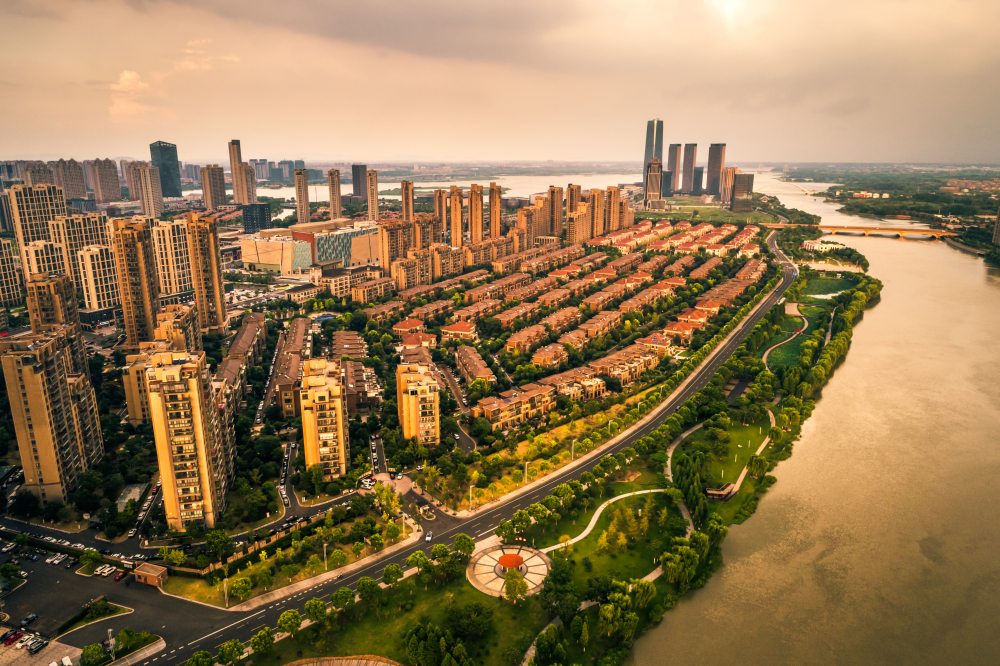
Residential real estate forms the backbone of India’s property market. These properties are designed for living purposes and come in various configurations to suit different family sizes, lifestyles, and budgets.
Apartment (Flat)
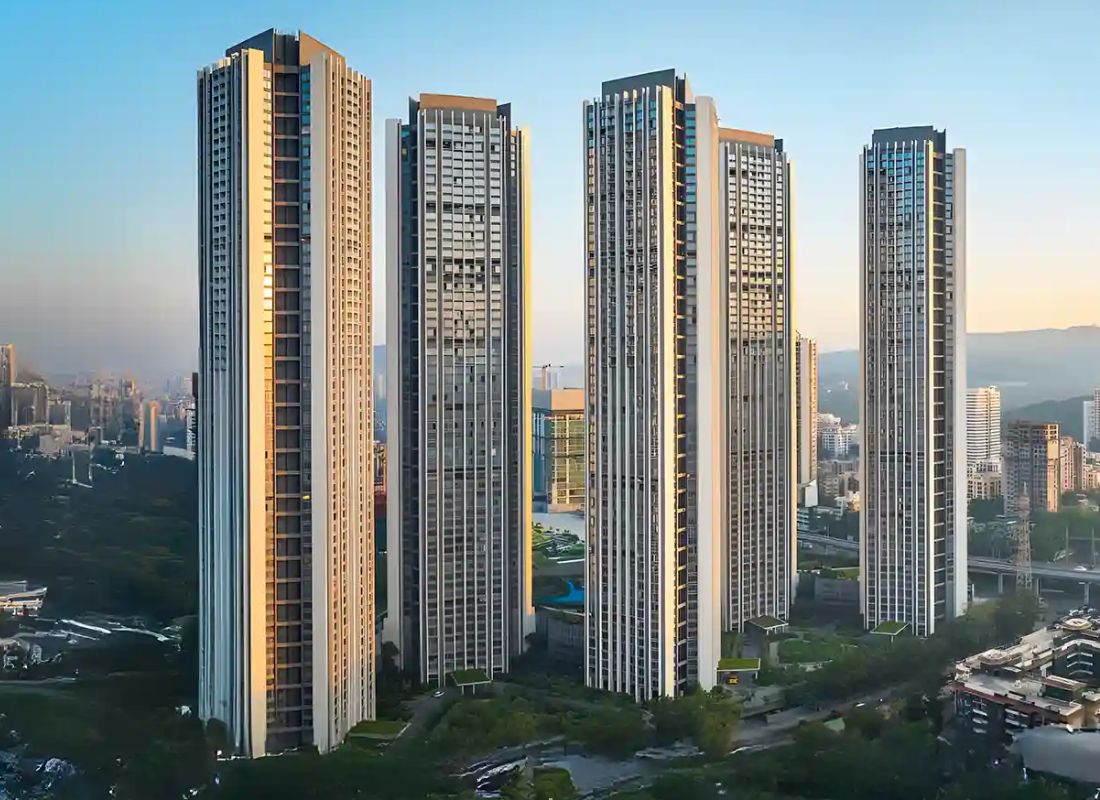
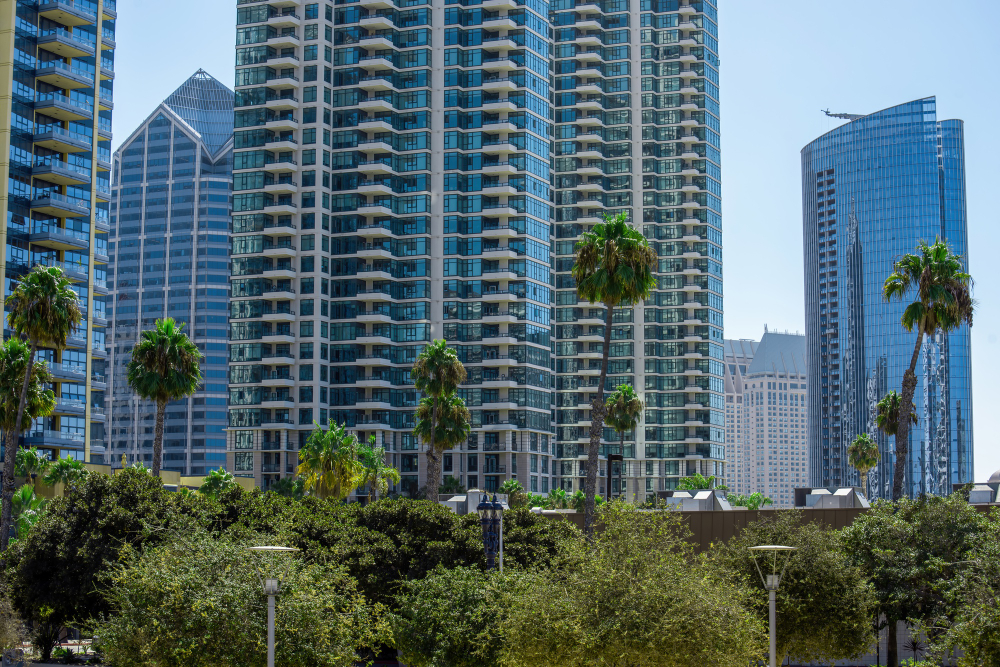
Apartments are the most common residential property type in urban India. These are individual residential units within multi-story buildings, offering various sizes from compact studios to spacious 4-5 BHK configurations. Apartments typically come with shared amenities like parking, security, and sometimes recreational facilities. They’re particularly popular in metropolitan cities where land availability is limited and vertical construction is the norm.
The apartment segment offers excellent options for young professionals, small families, and those seeking maintenance-free living with community amenities. Modern apartments often feature contemporary designs, efficient space utilization, and access to facilities that would be expensive to maintain individually.
Luxury Apartment
Luxury apartments represent the premium segment of the residential market, characterized by superior construction quality, exclusive locations, world-class amenities, and sophisticated design elements. These properties typically exceed 2,000 square feet and offer features like:
- High-end fittings and fixtures with imported materials
- Concierge services and dedicated property management
- Advanced security systems with CCTV surveillance
- Premium amenities including swimming pools, gyms, spa facilities, and clubhouses
- Smart home automation systems
- Private terraces or balconies with spectacular views
- Dedicated parking spaces with valet services
Luxury apartments cater to high-net-worth individuals seeking comfort, exclusivity, and prestige. They’re often located in prime neighborhoods with excellent connectivity and proximity to business districts, entertainment hubs, and quality educational institutions.
Independent Floors
Independent floors represent a unique concept popular in North Indian cities, particularly Delhi and its satellite towns. These are individual floors within multi-story buildings where each floor functions as a separate residential unit with its own entrance. Unlike apartments, independent floors offer more privacy, separate utility connections, and often greater control over modifications and renovations.
This property type bridges the gap between apartments and independent houses, providing the benefits of vertical living while maintaining a sense of independence. Independent floors are ideal for families who desire privacy without the complete maintenance responsibilities of a standalone house.
Villa (Independent House)
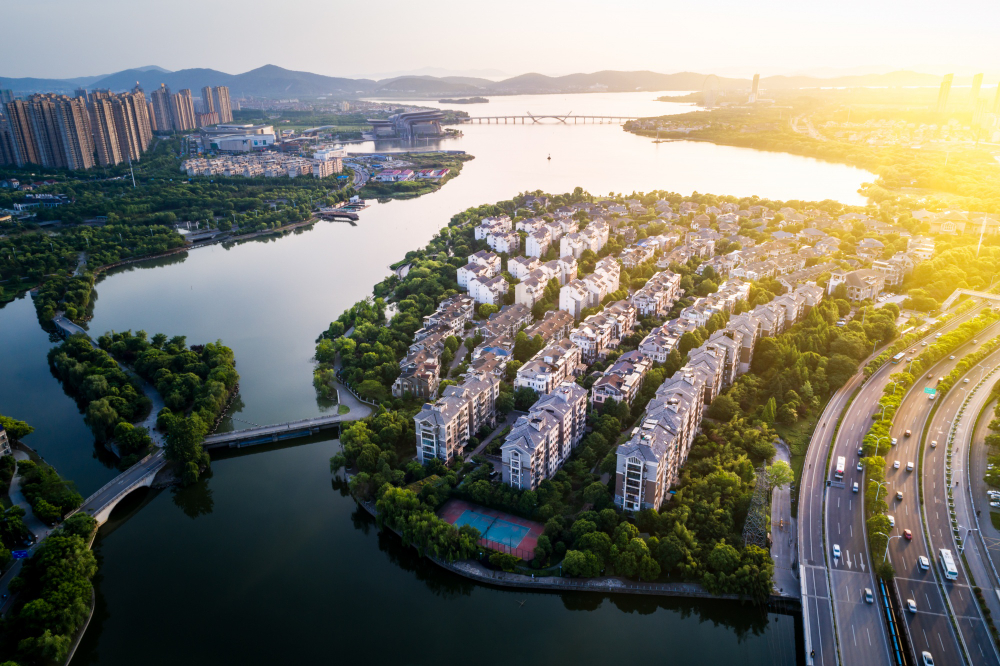
Villas or independent houses are standalone residential structures that offer maximum privacy, space, and customization possibilities. These properties sit on individual plots with dedicated land, allowing owners complete control over their living environment. Villas typically feature:
- Private outdoor spaces including gardens, lawns, or courtyards
- Multiple floors with spacious rooms
- Independent entry and exit points
- Personal parking areas
- Freedom to modify and expand as needed
- Enhanced privacy with no shared walls
Villas are particularly popular among affluent families, retirees, and those who value space and privacy over urban convenience. Many modern villa projects come as gated communities, combining the independence of standalone houses with shared amenities and security.
2. Commercial Properties
Commercial real estate encompasses properties used for business purposes, generating rental income or serving as operational spaces for enterprises. This segment has grown substantially with India’s economic expansion and the rise of organized retail and corporate sectors.
Office Spaces
Office properties range from small commercial units suitable for startups to large corporate towers housing multinational corporations. These spaces are designed specifically for business operations, featuring:
- Professional architectural design and layout
- Adequate power backup and infrastructure
- Elevator access and parking facilities
- Proximity to transportation hubs
- Modern amenities like conference rooms and cafeterias
Office spaces are classified into Grade A, B, and C categories based on location, construction quality, amenities, and rental potential. Grade A offices in prime business districts command premium rents and attract established corporations.
Retail Spaces (Shops and Showrooms)
Retail commercial properties include standalone shops, showrooms within commercial complexes, and spaces in shopping malls. These properties are strategically located in high-footfall areas to maximize business visibility and customer access. The retail segment has evolved significantly with organized retail growth, e-commerce integration, and changing consumer behaviors.
Mixed-Use Developments
Modern commercial projects often combine retail, office, and sometimes residential components in integrated townships. These developments offer convenience, reduce travel time, and create vibrant live-work-play ecosystems.
3. Industrial Properties
Industrial real estate includes factories, warehouses, manufacturing units, and logistics facilities. This segment has gained prominence with the “Make in India” initiative and the expansion of e-commerce requiring extensive warehousing infrastructure.
Key features of industrial properties include:
- Large land parcels suitable for manufacturing operations
- Heavy-duty infrastructure including power supply and water connections
- Proximity to transportation networks (highways, ports, railways)
- Zoning compliance for industrial activities
- Storage facilities and loading docks
4. Agricultural Land
Agricultural land refers to rural properties used for farming, plan0tation, or horticulture. While primarily meant for cultivation, agricultural land has also attracted investors seeking long-term appreciation in peri-urban areas. However, purchasing agricultural land comes with specific regulations, and in many states, only farmers or agricultural entities can purchase such properties.
5. Plots and Land Parcels
Vacant plots represent raw land available for construction. Buyers can purchase residential or commercial plots in approved layouts and construct properties according to their specifications. This option offers maximum customization but requires significant effort in terms of:
- Obtaining construction approvals
- Hiring architects and contractors
- Managing the construction process
- Ensuring compliance with local building regulations
Plots are popular among those who want complete control over their property design and construction quality.
How Griha Pravesh Developer Helps You Navigate India’s Real Estate Market
Imagine navigating the vast real estate landscape of India, where a myriad of properties, price ranges, and locations can leave you feeling overwhelmed and uncertain. As a homebuyer or investor, it’s easy to feel lost in the maze of options, unsure of how to make informed and confident decisions. This is where Griha Pravesh Developer becomes your trusted guide on the property journey.
Acting as a bridge between you and verified real estate entities, Griha Pravesh Developer is a comprehensive platform that connects you with property seekers, property dealers, and brokers operating in the dynamic Indian market. Whether you are in the market to purchase your dream apartment, invest in a commercial space, or rent a luxurious villa, the platform has got you covered with:0
- Access to Verified Property Listings: The platform aggregates properties from trusted developers and dealers, ensuring you explore genuine options without falling prey to fraudulent listings. From independent floors in Delhi to luxury apartments in Mumbai or commercial properties in Bangalore, you’ll find diverse options under one roof.
- Expert Guidance Throughout the Process: Real estate transactions involve legal complexities, documentation, and financial considerations. Griha Pravesh Developer connects you with experienced professionals who can guide you through property verification, negotiation, documentation, and registration processes, making your property journey smoother and more transparent.
- Comprehensive Market Information: Making informed decisions requires understanding market trends, locality development, price benchmarks, and future growth prospects. Through its network of real estate experts, the platform helps you access current market intelligence that can significantly impact your investment decisions.
Key Factors to Consider When Choosing Property Types
Selecting the right property type depends on multiple factors that align with your personal circumstances, financial capacity, and long-term goals.
Budget and Financial Planning
Your budget is the primary determinant of property type. Consider not just the purchase price but also:
- Registration charges and stamp duty (varying by state)
- GST implications on under-construction properties
- Property tax and maintenance costs
- Home loan interest rates and eligibility
- Future renovation or modification expenses
Purpose of Purchase
Clearly define whether you’re buying for:
- Self-use: Prioritize location, connectivity, amenities, and family needs
- Investment: Focus on rental yield, appreciation potential, and liquidity
- Retirement: Consider accessibility, healthcare proximity, and peaceful environments
- Business operations: Evaluate footfall, visibility, and infrastructure for commercial properties
Location and Connectivity
Location remains the most critical factor in real estate. Evaluate:
- Proximity to workplace, schools, hospitals, and shopping areas
- Public transportation availability
- Road infrastructure and traffic conditions
- Neighborhood safety and social infrastructure
- Future development plans and metro connectivity
Legal Due Diligence
Before finalizing any property, thorough legal verification is essential:
- Clear title: Ensure the seller has undisputed ownership
- Approved plans: Verify building plans are approved by local authorities
- Encumbrance certificate: Confirm the property is free from legal dues
- Occupancy certificate: For completed projects, ensure OC is obtained
- RERA registration: For under-construction projects, verify RERA compliance
Amenities and Lifestyle Requirements
Modern homebuyers increasingly prioritize lifestyle amenities:
- Security features including CCTV and gated access
- Recreational facilities like swimming pools, gyms, and parks
- Power backup and water supply arrangements
- Parking adequacy
- Community spaces for social interaction
Investment Potential Across Different Property Types
Different property types offer varying investment characteristics, and understanding these can help you build a balanced real estate portfolio.
Residential Properties
Residential real estate typically offers steady appreciation and emotional security. Apartments in developing areas often provide good returns, while luxury apartments in established locations offer stability. Independent houses appreciate slower but provide land value appreciation, which is often more reliable than construction value.
Commercial Properties
Commercial real estate generally offers higher rental yields (6-10% compared to 2-3% for residential) but requires larger capital investments. Office spaces in business districts provide consistent rental income from corporate tenants, while retail spaces depend heavily on location and market conditions.
Plot Investments
Land parcels in developing areas near infrastructure projects (airports, metro lines, industrial corridors) often appreciate significantly. However, they generate no rental income and may involve holding costs like property tax. Plots are ideal for long-term investors willing to wait for area development.
Emerging Trends in Indian Real Estate
India’s property market continues evolving with changing demographics, technology adoption, and lifestyle preferences.
Smart Homes and Technology Integration
Modern properties increasingly feature:
- IoT-enabled home automation systems
- Energy-efficient appliances and solar installations
- App-based security and facility management
- High-speed internet infrastructure
Co-living and Co-working Spaces
Younger demographics are driving demand for flexible living and working arrangements. Co-living spaces offer affordable accommodation with community living, while co-working spaces provide flexible office solutions for startups and freelancers.
Sustainable and Green Buildings
Environmental consciousness is influencing property development with:
- LEED and GRIHA certified green buildings
- Rainwater harvesting systems
- Waste management and recycling facilities
- Energy-efficient construction materials
- Organic gardens and green spaces
Tier 2 and Tier 3 City Growth
With improving infrastructure and job opportunities spreading beyond metros, cities like Coimbatore, Indore, Jaipur, Kochi, and Visakhapatnam are witnessing significant real estate activity. These cities offer better affordability and quality of life, attracting both end-users and investors.
The Role of Technology in Property Search
Digital transformation has revolutionized property search and transactions. Platforms like Griha Pravesh Developer leverage technology to:
- Provide virtual property tours saving time and travel costs
- Offer detailed property information including floor plans and specifications
- Enable transparent price comparisons across localities
- Facilitate direct communication between buyers and verified dealers
- Provide documentation assistance and legal support resources
This technological integration makes property search more efficient, transparent, and accessible to buyers across geographical boundaries.
Regional Variations in Property Types
India’s real estate market exhibits significant regional variations influenced by culture, climate, urbanization levels, and economic development.
North India
Northern cities like Delhi NCR favor independent floors and builder floors, offering a middle ground between apartments and villas. The region also has a strong market for plotted developments where buyers construct according to their preferences.
South India
Southern cities like Bangalore, Chennai, and Hyderabad have predominantly apartment-based development due to the IT sector’s influence. Villa projects in gated communities are popular among senior professionals and retirees.
West India
Mumbai and Pune real estate are dominated by high-rise apartments due to land scarcity. Luxury apartments in prime locations command premium prices, while suburban areas offer more affordable options.
East India
Kolkata’s real estate market features a mix of apartments and independent houses. The city has seen growing interest in plotted developments in peripheral areas with improving connectivity.
Tips for First-Time Property Buyers
Entering the real estate market for the first time can be daunting. Here are essential tips to guide your journey:
- Start with Clear Objectives: Define your priorities regarding location, property type, size, and budget. Create a checklist of must-have features versus nice-to-have amenities.
- Research Extensively: Don’t rush into decisions. Visit multiple properties, compare offerings, and speak with existing residents to understand ground realities. Platforms like Griha Pravesh Developer can help you explore verified options efficiently.
- Understand Hidden Costs: Beyond the property price, factor in registration charges (6-8% of property value in most states), GST (applicable on under-construction properties), loan processing fees, interior work, and maintenance deposits.
- Check Builder Reputation: Research the developer’s track record, past projects, delivery timelines, and customer feedback. RERA registration provides additional security by holding developers accountable for commitments.
- Visit at Different Times: Visit the property and neighborhood during different times of the day and week to assess traffic conditions, noise levels, water supply, and overall atmosphere.
- Negotiate Intelligently: Property prices often have negotiation margins, especially in slow markets. Research comparable transactions in the area to establish realistic bargaining positions.
- Get Professional Help: Engage experienced professionals for legal verification, property inspection, and loan processing. The cost of expert guidance is minimal compared to potential risks from oversights.
Conclusion
India’s real estate market is a diverse and dynamic landscape, offering a wide range of property types to suit different needs, preferences, and budgets. From affordable apartments for first-time homebuyers to sprawling villas for high-end luxury seekers, from functional office spaces for businesses to sprawling industrial warehouses, the options are vast and constantly expanding.
Understanding the various property types, their features, investment potential, and alignment with your requirements is essential to make informed real estate decisions. Factors such as budget, location, intended use, legal considerations, and growth prospects should be carefully weighed when exploring different options.
With a trusted partner like Griha Pravesh Developer, you can simplify your property search journey by connecting with verified dealers, accessing expert guidance, and gaining valuable insights into the market trends. Whether you’re looking to purchase your dream home, invest in a rental property, or find a commercial space for your business, informed choices backed by professional assistance pave the way to successful real estate transactions.
As urbanization drives growth and infrastructure development unfolds across the country, the real estate sector continues to evolve, presenting opportunities for both residential and investment purposes. With a focus on planning, thorough research, and leveraging the right support system, you can navigate this vibrant landscape with confidence and discover the property that resonates with your dreams and aspirations.
Frequently Asked Questions
Q1: What is the difference between an apartment and an independent floor?
An apartment is a unit within a multi-story building with multiple units on each floor and shared amenities. An independent floor is a separate unit occupying an entire floor of a building, with its own entrance and usually separate utilities, offering more privacy than apartments.
Q2: Which property type offers better returns – residential or commercial?
Commercial properties typically offer higher rental yields (6-10%) compared to residential properties (2-3%), but require larger investments and carry market-dependent risks. Residential properties provide emotional security and steady appreciation, making them suitable for conservative investors.
Q3: What is RERA and why is it important when buying property?
RERA (Real Estate Regulatory Authority) is a regulatory body established to protect homebuyers and ensure transparency in real estate transactions. RERA registration makes developers accountable for project completion timelines, specifications, and commitments, providing buyers with legal recourse in case of disputes.
Q4: Are luxury apartments a good investment option?
Luxury apartments can be good investments in prime locations with limited supply, offering capital appreciation and rental income from high-net-worth tenants. However, they require substantial capital, have higher maintenance costs, and may have longer selling periods compared to mid-segment properties.
Q5: What should I check before buying an independent floor or villa?
Before buying, verify clear property title, approved building plans, occupancy certificate, encumbrance certificate, and compliance with local building regulations. Also check for adequate water and electricity connections, access roads, neighborhood development, and future area growth prospects.